
You have no recently viewed items.


Classroom Chairs
Classroom Desks
Activity Tables
Height Adjustable Tables
Rocking Chairs & Wobble Stools
Teacher Chairs
Teacher Desks
Classroom Storage
Whiteboards
Book Racks & Book Carts
Cubby & Multi-Storage
Easels & Art Furniture
Interactive Play Furniture
Shelving & Cabinets
Daycare Furniture
Montessori Furnishings & Equipment
Office Workstations
Office Chairs
Reception Desks
Waiting Room Chairs
Filing Cabinets & Pedestals
Monitor Arms
Keyboard Trays
Lighting
Power

Stackable Chairs for Schools: A Complete Guide to Flexible Seating Solutions
Schools face a unique challenge that most other institutions don’t: the same spaces need to transform multiple times throughout the day. A cafeteria becomes an exam hall. A classroom shifts from lecture rows to group circles. An assembly hall hosts 400 students at 9 AM and sits empty by noon. Stackable chairs solve this problem elegantly, and choosing the right ones can save your school thousands of pounds while making life easier for everyone from caretakers to students.
This guide walks you through everything you need to know about selecting, using, and maintaining stackable chairs for educational environments.
Need flexible seating fast? Explore our stackable school chairs and find the right fit for your rooms and student age groups.
Key Takeaways
-
Stackable chairs save 70-80% of storage space compared to non-stacking alternatives, with a single stack of 20 chairs occupying roughly 0.5 square meters versus 4-5 square meters when arranged individually.
-
The same chair models can serve classrooms, cafeterias, assemblies, libraries, exam halls, and multipurpose rooms, simplifying purchasing and inventory management across your school.
-
Quality stackable school chairs are tested to withstand over 100,000 sitting cycles and support weights of 110-150 kg, meeting the durability requirements of daily heavy use.
-
Well-made stackable chairs typically last 8-15 years in busy school environments, making them a cost-effective long-term investment when compared to fixed seating alternatives.
-
Features like non-marking glides, ergonomic contours, and lightweight frames reduce noise, protect floors, and improve student comfort throughout the school day.
What Are Stackable Chairs for Schools?
Stackable chairs are seating units engineered specifically for vertical piling, allowing multiple chairs to nest securely on top of each other when not in use. In school settings, you’ll most commonly find plastic shell seats mounted on tubular metal frames, a design that emerged from modernist furniture movements emphasizing function over ornamentation.
School stackable chairs differ from their office or event counterparts in several important ways. They’re built for frequent movement between rooms, rapid setup and takedown for events, and the particular demands of students who aren’t always gentle with furniture. Unlike folding chairs, which collapse flat, stackable classroom chairs maintain their shape and tend to be sturdier, quieter during transitions, and more suitable for extended sitting periods.
When you search for options, you’ll find chairs available in age-appropriate sizes. Primary school students typically need seat heights around 30-38 cm, while secondary students require 43-46 cm heights. Both are readily available in stackable formats from most educational furniture suppliers.
Key defining features of school stackable chairs:
-
Lightweight construction, often under 5 kg per chair for plastic models
-
Precise engineering tolerances that allow 10-20 chairs to stack without instability
-
Smooth, non-porous surfaces that wipe clean from spills and germs
-
Contoured seats and backs with subtle offsets designed to nest properly
-
Angled legs or integrated runners that prevent slippage in stacks
-
Optional linking mechanisms for creating fixed rows during assemblies
For a broader breakdown of classroom seating, desks, tables, and storage, see our Classroom Furniture: Complete Guide.

Why Stackable Chairs Are Useful in Schools
If you’re a facilities manager or school administrator, you already know that every square meter of your building needs to work hard. Fixed furniture locks spaces into single purposes, but stackable chairs transform how your school operates on a practical, day-to-day basis.
Space-saving benefits that matter
Consider the mathematics: 20-30 stackable chairs fit into a 1-2 square meter storage footprint. The same number of non-stackable chairs would consume an entire corner of your hall. This difference translates directly into usable teaching space, play areas, or room for equipment that would otherwise compete with permanent seating.
Schools across the UK and Canada have found that clearing chairs from multipurpose spaces reduces cleaning time significantly. Caretakers can sweep and mop unobstructed floors in half the time, and dust doesn’t accumulate under rows of fixed seats.
Flexibility for modern teaching
A single stock of stackable chairs supports dramatically different configurations. Monday morning might require traditional rows facing the whiteboard. By Tuesday afternoon, the same chairs form small group clusters for collaborative learning. Wednesday’s exam needs precise, evenly-spaced individual desks. Thursday evening’s parent meeting calls for a completely different layout.
This flexibility isn’t just convenient, it’s increasingly essential. Modern pedagogy emphasizes varied learning environments, and stackable chairs make these transitions possible without purchasing separate furniture for each configuration.
Time efficiency in action
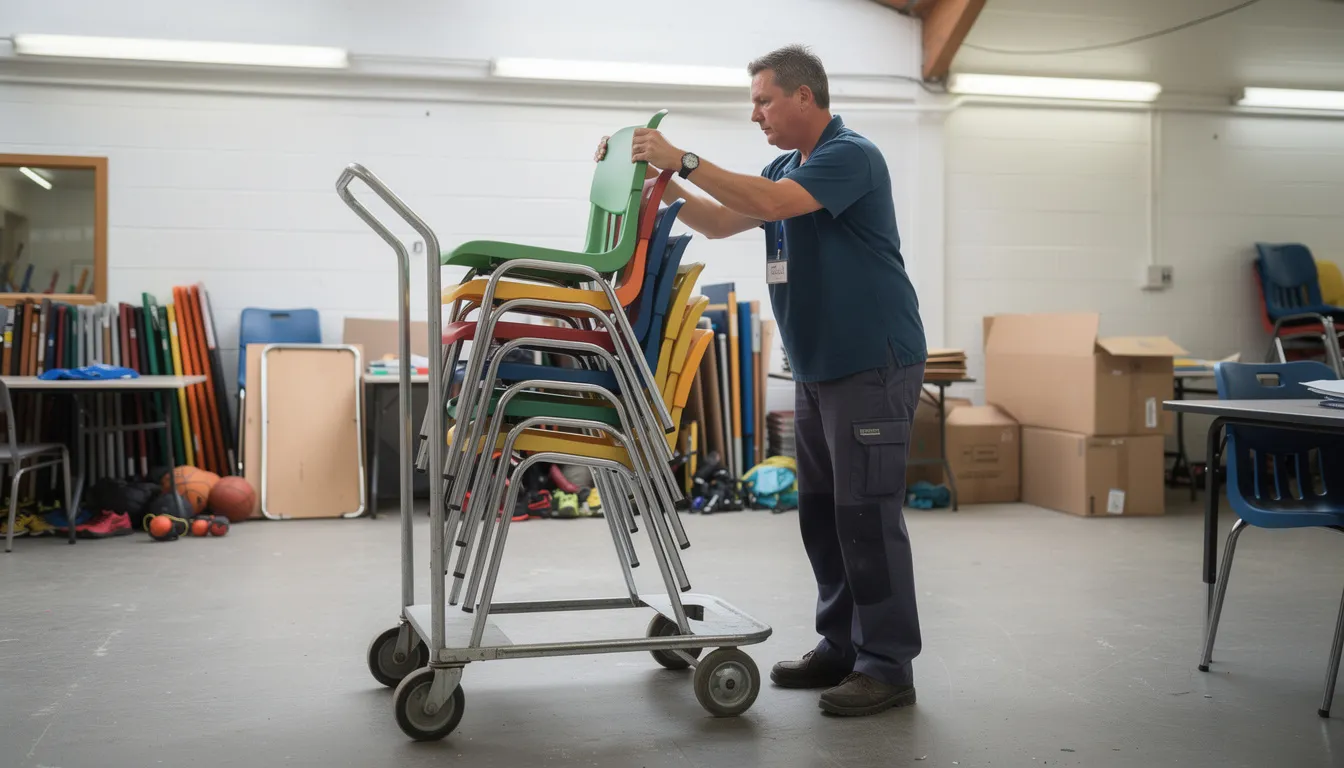
Picture a typical school assembly scenario. The caretaker needs to set up seating for 200 students in the main hall. With stackable chairs stored on trolleys, this task takes minutes rather than the better part of an hour. After the assembly ends, the same chairs return to their stacks just as quickly, and the space is ready for PE.
Long-term cost-effectiveness
When you calculate the true price of seating over 5-10 years, stackable chairs consistently outperform fixed alternatives. Individual units are easy to replace when damaged, you’re not stuck repairing or replacing entire banks of connected seating. Storage requirements are minimal, meaning you don’t need dedicated furniture rooms that could serve other purposes.
Add to this the reduced maintenance costs from chairs that don’t have complex mechanisms or upholstered surfaces, and the business case becomes clear.
Noise control and floor protection
One often-overlooked benefit involves the features that protect both your floors and your ears. Quality stackable chairs come with glides or caps that reduce the scraping sounds that echo through halls during transitions. These same features prevent scratches on vinyl, tile, and hardwood surfaces. Protecting flooring investments that cost far more to replace than the chairs themselves.
Key Features to Look For in School Stackable Chairs
School environments are harsher than almost any other setting for furniture. Chairs get dropped, dragged, sat on incorrectly, and moved hundreds of times per year. The features you select need to account for this reality.
Durability specifications
-
Look for welded steel or aluminum frames rather than bolted connections that can loosen over time
-
Impact-resistant polypropylene seats withstand the drops and bumps of daily school life
-
Weight capacities should reach at least 110-150 kg for secondary schools to accommodate larger students and occasional adult use
-
Frame materials with powder coating or anodized finishes resist scratches and corrosion
Ergonomics for all-day comfort
-
Contoured seats with appropriate depth prevent students from sliding forward during long lessons
-
Subtle lumbar support in the backrest promotes better posture over 5-7 hour school days
-
Waterfall seat edges reduce pressure on the backs of thighs, improving circulation
-
Different seat depths and widths for primary versus secondary age groups ensure proper fit
Stacking capacity and stability
-
Floor stacking of 8-12 chairs is typical for daily use by staff and students
-
Trolley stacking can reach 20+ chairs when using proper transport equipment
-
Stable stacking design is crucial, chairs shouldn’t wobble or shift when stacked, as toppling stacks pose injury risks
-
Check that the product includes clear specifications about maximum safe stack heights
Safety and compliance
-
Reference standards like EN 1729 in Europe or BIFMA/ANSI in North America when evaluating options
-
Cycle fatigue testing (look for 100,000+ sits) indicates long-term durability
-
Rounded edges and absence of pinch points protect fingers during handling
-
Load testing documentation should be available from reputable manufacturers
Materials and finishes
-
Easy-clean, non-porous surfaces allow quick wipe-downs between uses
-
Anti-graffiti coatings on some models resist permanent marker and pen damage
-
Flame-retardant finishes meet regulations for assembly spaces in many jurisdictions
-
UV stabilizers in plastics prevent fading and brittleness when chairs are used near windows
Mobility and handling
-
Integrated handholds in the backrest make carrying easier and reduce frame stress
-
Lightweight construction (under 5 kg for plastic models) allows single-person handling
-
Compatible dollies and trolleys should be available from the same supplier
-
Consider chairs with linking mechanisms if you frequently set up fixed rows
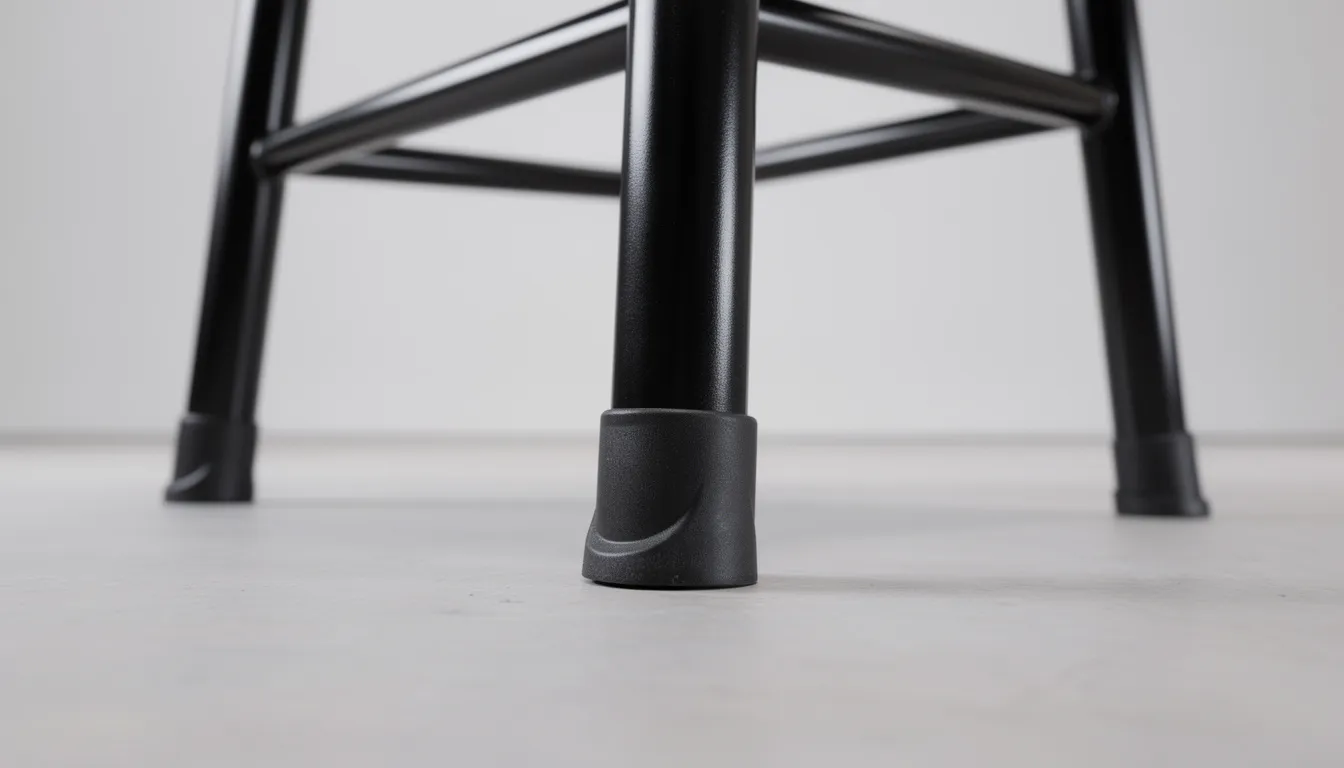
Acoustics and floor care
-
Non-marking glides prevent black scuff marks on light-colored floors
-
Felt pads work well in libraries and music rooms where silence matters
-
Rubber or plastic caps protect vinyl, tile, and hardwood surfaces
-
Replaceable glides allow for maintenance without discarding entire chairs
Common Use Cases of Stackable Chairs in Schools
One of the strongest arguments for standardizing on quality stackable chairs is versatility. The same chair model can often serve multiple locations across your campus, simplifying purchasing, maintaining consistent stock, and reducing the need to store multiple furniture types.
-
Classrooms: Daily use involves constant reconfiguration, rows for direct instruction, circles for discussion, clusters for group work. Spare chairs stack neatly at the back of the room, and when a class needs extra seating for a combined lesson, chairs from the store cupboard arrive in minutes.
-
Cafeterias and dining halls: Morning breakfast service uses one layout. Lunch sees maximum capacity. By 4 PM, the same space hosts after-school clubs arranged in small groups. Evening parent meetings require yet another configuration. Stackable chairs make each transition seamless.
-
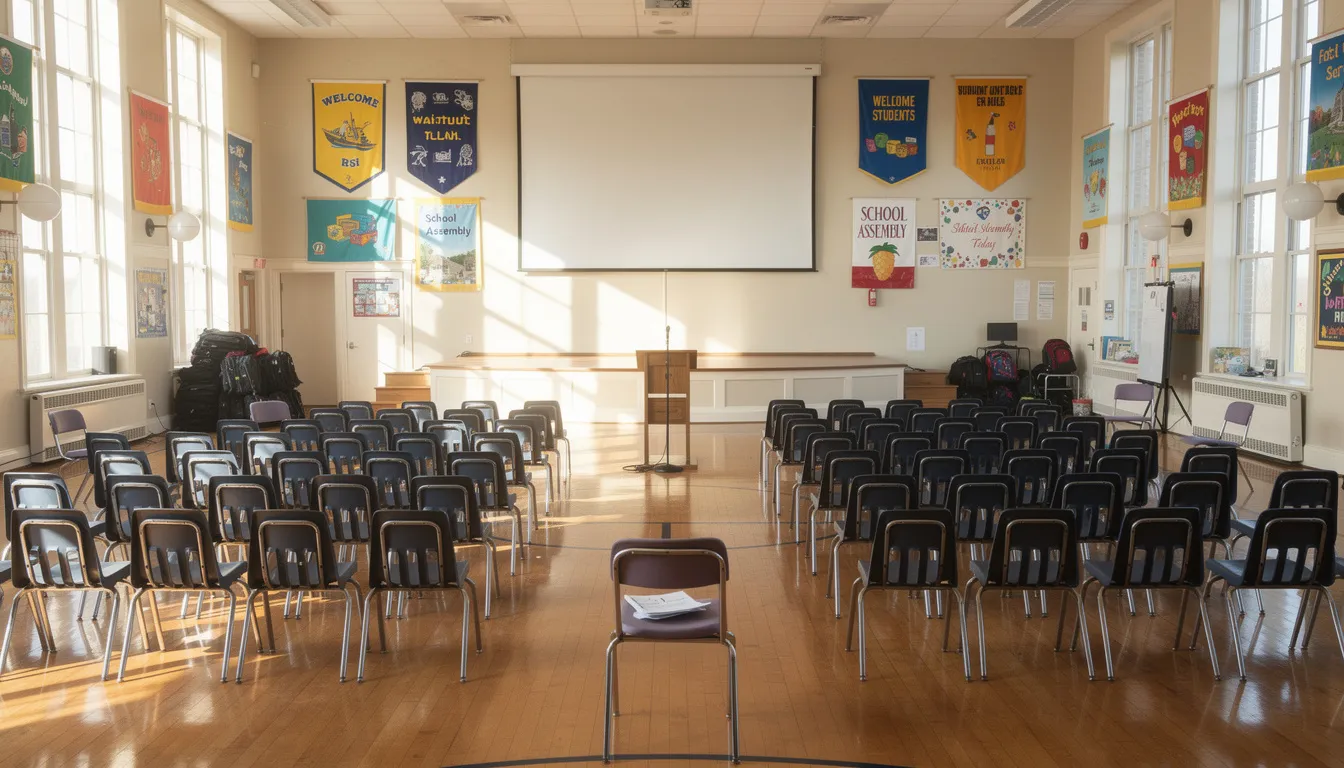
Assembly halls and auditoriums: School plays, awards ceremonies, and visiting speakers all require different seating quantities. A production might use 150 chairs arranged in curved rows, while an awards evening needs 400 in straight lines. After the event, everything returns to storage the same day.
-
Libraries and resource centers: Quieter glides become essential here. Comfortable seat shapes support extended reading periods. When the library hosts a book fair or workshop, clearing the floor takes minutes rather than requiring a major furniture moving operation.
-
Exam halls and testing rooms: Standardized tests demand precise, uniform layouts with specific spacing between desks. Numbered stacks stored along walls allow rapid setup, and chairs return to their designated spots immediately after the exam concludes.
-
Music rooms, art rooms, and STEM labs: These spaces frequently need clear floors for rehearsals, large art projects, robotics competitions, or equipment setups. Chairs that stack quickly and store compactly make this flexibility possible.
-
Outdoor and multipurpose spaces: Weather-resistant stackable models serve covered courtyards, temporary outdoor classrooms, sports day seating, and summer events. Schools in suitable climates find these invaluable for expanding usable teaching space.
How to Choose the Right Stackable Chairs for Your School
Before you add items to your cart and place an order, systematic evaluation prevents costly mistakes. The decision involves more than finding the lowest price, it requires matching chairs to your specific student population, spaces, and operational needs.
Assess age groups and sizes
Start by mapping your student population. Early years settings need the smallest seats, with primary students requiring incrementally larger options, and secondary students approaching adult sizing. Many suppliers offer measurement charts showing recommended seat heights by age range, and it’s worth requesting these specifications before committing.
A mixed-age school might need two or three different chair sizes to serve all students properly. Factor this into your purchasing plan and labeling system.
Measure your spaces
Before finalizing any order, conduct a thorough space audit:
-
Measure doorway widths to ensure stacked chairs on trolleys can pass through
-
Check storage cupboard dimensions against stacked chair heights
-
Calculate how many chairs each classroom and hall typically needs
-
Determine whether your corridors allow easy transport between buildings
-
Identify where trolleys will be stored when not in use
Set a realistic budget
Compare cost per chair against expected lifespan rather than focusing solely on upfront price. A chair that lasts 12 years represents better value than a cheaper alternative needing replacement after 5 years. Factor in warranty length, 5-10 year warranties indicate manufacturer confidence in durability and check whether replacement parts like glides are readily available.
Evaluate comfort and ergonomics
Arrange sample days where teachers and students use trial chairs during actual lessons. Written specifications tell part of the story, but real-world testing reveals how chairs perform over a full school day. Pay attention to complaints about discomfort after extended sitting, as these will multiply across hundreds of students.
Consider cleaning and maintenance
Chairs with fewer seams and crevices trap less dirt. Smooth frames without exposed bolt heads clean faster. Robust glides that don’t wear quickly reduce the frequency of replacement. All of these factors affect the workload for your custodial staff and should influence your selection.
Review safety and fire regulations
Consult your local education authority or building codes regarding fire ratings, spacing requirements, and egress regulations for assembly spaces. Some halls have maximum occupancy limits that affect how many chairs you can legally deploy. Document these requirements before purchasing.
Think about aesthetics and school identity
Color options offer practical benefits beyond appearance. Different colors can distinguish year groups, building zones, or school houses. Consistent color schemes across the school create a cohesive look while still allowing functional differentiation.
Care, Cleaning, and Long-Term Maintenance
Proper maintenance extends the useful life of stackable school chairs and protects your investment. A clear maintenance schedule prevents small problems from becoming expensive replacements.
Daily and weekly tasks
-
Wipe down seats and backs with mild detergent solution at least weekly, more frequently during illness outbreaks
-
Check for gum, stickers, or graffiti and remove promptly before they become permanent
-
Realign stacks safely at the end of each day, ensuring they don’t exceed recommended heights
-
Report any chairs with visible damage immediately for inspection
Termly inspections
-
Examine frame welds for cracks or separation
-
Tighten any screws or bolts that have loosened
-
Replace worn glides before they expose metal to floor surfaces
-
Remove chairs with structural damage from circulation, don’t wait for complete failure
Cleaning products
-
Use non-abrasive cleaners on plastic seats and powder-coated metal frames
-
Avoid solvents that can weaken or discolor polypropylene
-
Disinfectant wipes work well for quick sanitization between uses
-
For stubborn marks, test cleaning methods on a hidden area first
Storage best practices
-
Store stacks in dry, well-ventilated areas away from direct heat sources
-
Never exceed the manufacturer’s recommended maximum stack height
-
Keep stacks away from radiators, heaters, and windows with direct sunlight
-
Ensure stacks rest on level surfaces to prevent toppling
Handling training
-
Train student helpers and staff on proper lifting techniques like bending at the knees, not waist
-
Demonstrate correct stacking procedures to prevent misalignment
-
Teach safe carrying methods, particularly for moving multiple chairs
-
Establish clear procedures for reporting damage
Replacement cycle planning
-
Maintain a small surplus of chairs (5-15% of total) for events and replacements
-
Schedule phased replacement every 8-10 years rather than emergency bulk purchases
-
Track chair conditions during termly inspections to predict replacement needs
-
Budget annually for ongoing maintenance items like glides and minor repairs
Stackable chairs are only one part of a well-planned learning environment. If you’re also reviewing active seating options, read our Classroom Stools & Wobble Stools: How to Choose the Right Seating for Schools. And if you’re planning full classroom layouts, our Classroom Desks: A Complete Guide to Types, Functions, and Selection breaks down how to choose the right desks by age group, room type, and teaching style.
FAQ
How many stackable chairs should a typical school keep in reserve?
Many primary and secondary schools find that maintaining an additional 5-15% of their total daily seating requirement as reserve chairs works well. For a school with 500 students, this means holding 25-75 extra chairs on trolleys in a central storage location.
These reserves handle assemblies, parent evenings, new enrollments mid-year, and unexpected breakages without requiring emergency purchases. Review your reserve levels annually, adjusting for enrollment changes and the frequency of large events at your school.
Are stackable chairs suitable for students with special seating needs?
Standard stackable chairs work for most students, but some pupils require specialist ergonomic or adaptive seating with features like arms, cushions, or adjustable heights. These needs are best addressed through coordination with occupational therapists who can recommend appropriate solutions.
Consider providing a small number of dedicated support chairs in each building block or key stage area. Note that specialist adaptive chairs often cannot stack, so plan separate storage and clear labeling to ensure these chairs are available when needed and returned to proper locations.
Can stackable school chairs be used outdoors regularly?
Only chairs specifically designed for indoor/outdoor use should be left outside for extended periods. Look for models with UV-resistant plastics that won’t fade or become brittle, and rust-resistant frames that can handle moisture.
Standard indoor stackable chairs can serve occasional outdoor events like sports days or summer celebrations, but bring them inside promptly and dry any moisture before stacking. Schools in wet or coastal climates in areas like coastal Canada should pay particular attention to corrosion resistance and look for drainage holes in seat designs.
What is a typical lifespan for stackable chairs in a busy school?
Well-made stackable chairs typically last 8-15 years under daily school use, though this varies based on build quality, the age group using them, and maintenance practices. Heavy secondary-school use with frequent room changes tends to shorten lifespan compared to primary settings where chairs move less often.
Manufacturer warranties of 5-10 years provide a useful indicator of expected longevity. Open communication with suppliers about your specific usage patterns helps ensure you select chairs rated for your environment. Proper care, prompt repairs, and good handling practices extend useful life significantly.
Do stackable chairs meet fire and safety regulations for school assembly halls?
Many stackable chairs are available with fire-retardant materials and testing against public seating standards, but schools must verify product specifications carefully before purchasing. Requirements vary by jurisdiction and by the specific use of each space.
Consult local fire regulations regarding minimum row spacing, aisle widths, and maximum hall capacity when planning layouts. Maintain clear documentation of chair models, their certifications, and any risk assessments. Having this information readily accessible simplifies inspections by education authorities or fire services and demonstrates due diligence in your furniture selection process.
- Choosing a selection results in a full page refresh.


!